📱 The Screen Time Dilemma: What Data Reveals About Indian Kids’ Digital Habits
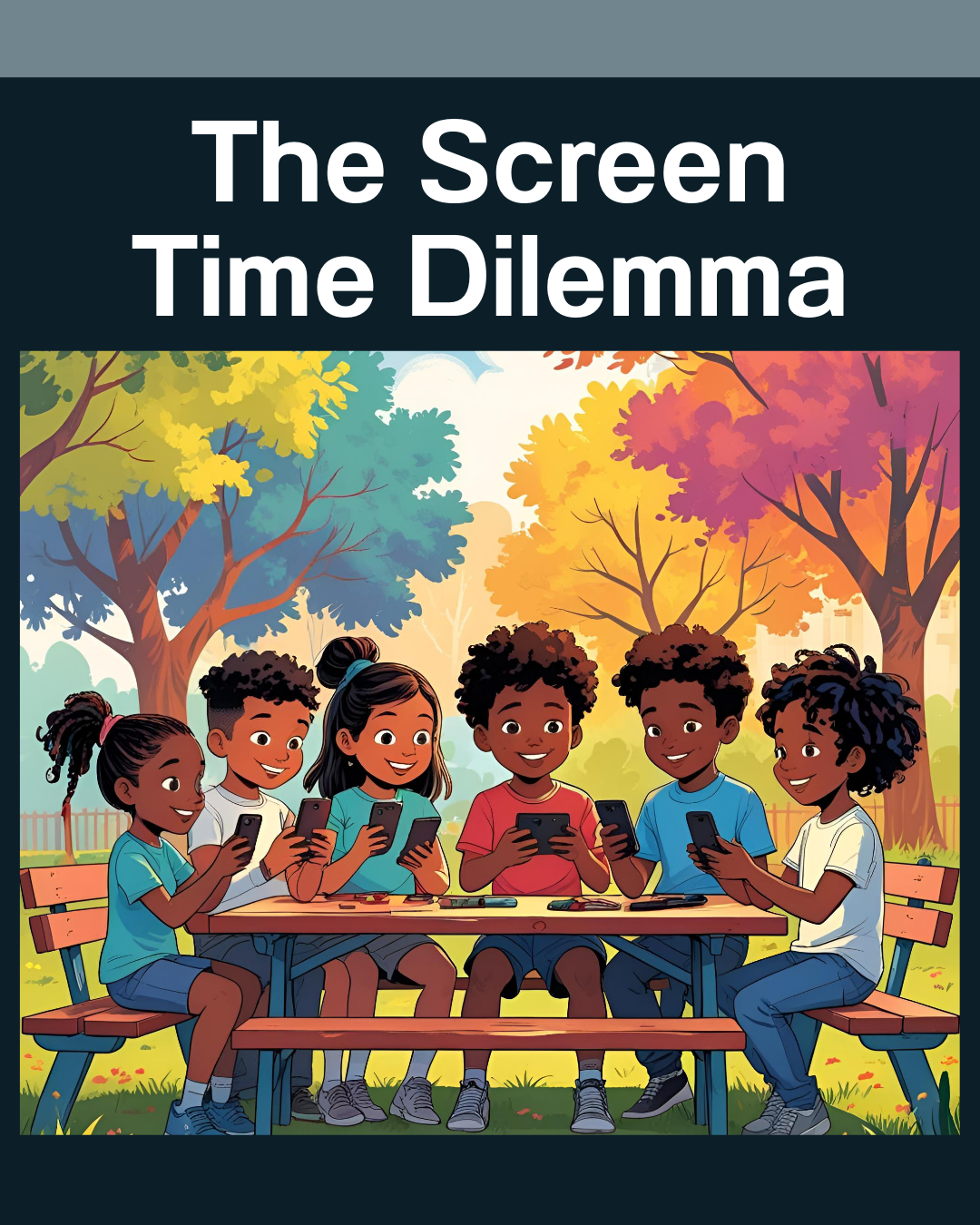
In today’s hyper-connected world, screen time is a double-edged sword — empowering learning on one hand and posing health risks on the other. I recently analyzed a dataset of 9,712 Indian children to understand how screen exposure is affecting their health, habits, and overall development.
This blog post highlights key findings from the analysis, real data-backed charts, and practical prevention tips for parents, educators, and policymakers.
🔍 Dataset at a Glance
The dataset included information such as:
Age, Gender
Daily screen time (in hours)
Primary device used
Health issues reported
Urban vs Rural residence
Educational vs Recreational screen usage ratio
📊 Key Insights from the Analysis
Here’s what stood out clearly through charts and patterns:
1️⃣ Screen Time is Rising — Especially Among Teens
📈 Teenagers (13–17 years) had the highest average screen time, often exceeding 4+ hours/day, crossing the safe limits set by pediatricians.
2️⃣ Smartphones Dominate, Especially in Urban India
Over 50% of children listed smartphones as their primary screen device.
Urban kids had higher screen exposure compared to rural peers — likely due to more access to digital devices and the internet.
3️⃣ Screen Use is Mostly Recreational
Most children had a low educational-to-recreational ratio (< 0.5), suggesting time was spent more on games, videos, and social media than on learning.
4️⃣ Health Impacts Are Alarming
Commonly reported issues include:
Poor Sleep
Eye Strain
Anxiety
Lack of Focus
These were more prevalent in children exceeding 3–4 hours of screen time daily.
5️⃣ Girls and Boys Show Slightly Different Patterns
Girls showed slightly more balanced usage (education vs entertainment)
Boys were more likely to exceed recommended screen limits
⚠️ What Are the Future Implications?
Unchecked screen time in children could lead to:
Digital dependency and attention issues
Reduced physical activity
Delayed social skills
Worsening sleep patterns and mental health
✅ What Can We Do? – Prevention Tips
🎯 Here are actionable steps to reduce risk:
👪 Set screen time boundaries: Use tools like Family Link or built-in phone timers.
📚 Encourage educational content: Make screen time meaningful and structured.
🛏️ Establish tech-free zones: Especially during meals and before bedtime.
🚴 Promote physical activity & hobbies: Sports, reading, or creative time.
🧠 Talk to your kids: Help them understand the importance of balance.
🧠 Final Thoughts
This analysis helped uncover valuable insights into how Indian children interact with screens today. The challenge isn’t about eliminating screen time — it’s about managing it wisely.
If you’re a parent, teacher, or policymaker, these findings provide a data-backed foundation to take proactive steps in shaping healthier digital habits for our children.
🔗 View the Full Data Analysis Notebook
If you’d like to dive deeper into the code, visualizations, and data used in this blog post —
📊 Check out the complete Kaggle notebook here:
This notebook includes:
Full code walkthrough (Pandas, Seaborn, Matplotlib)
Interactive charts
Cleaned dataset insights
All visualizations shown in this blog